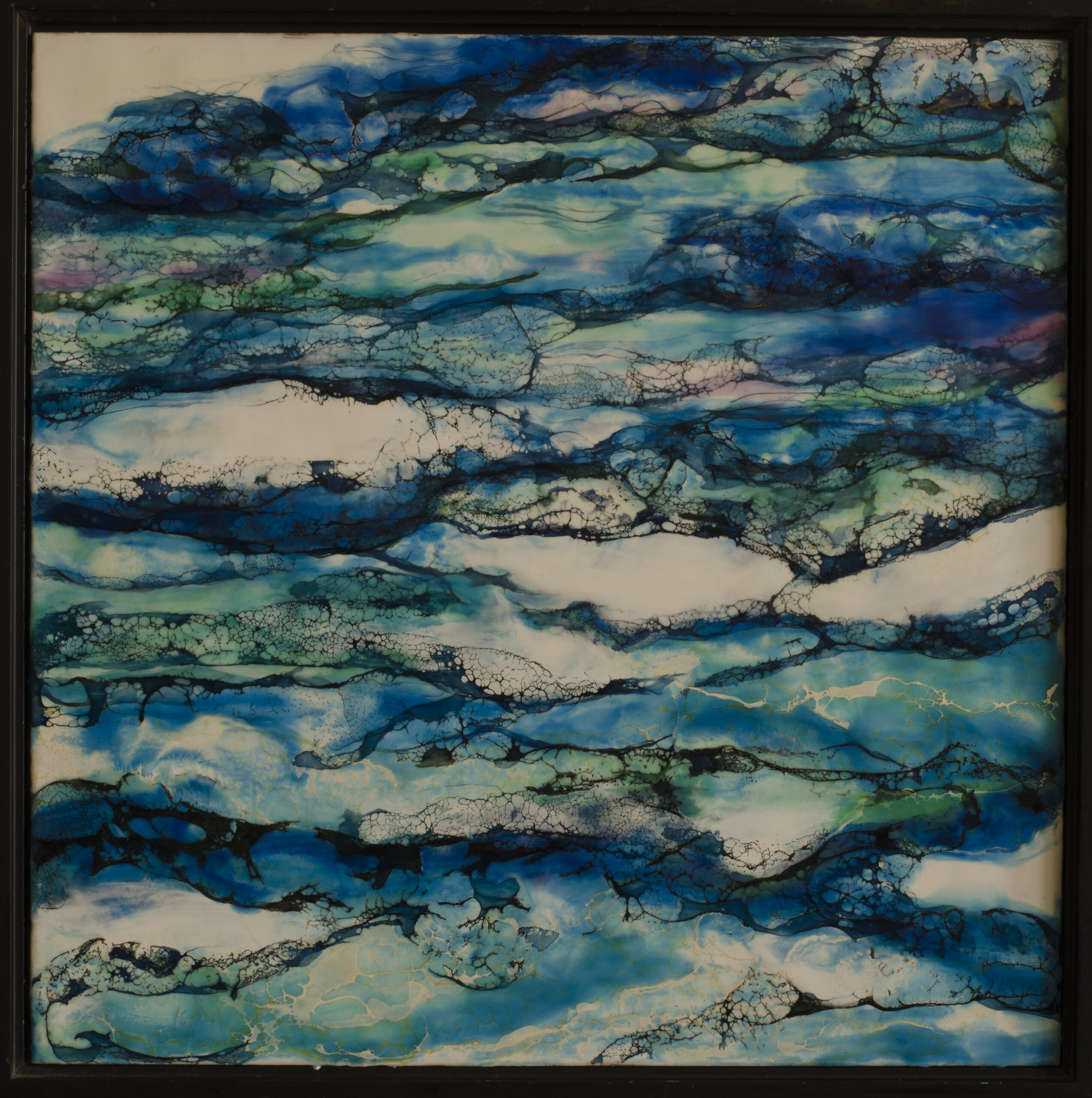
A painting technique more than two thousand years old, seen in a new light.
History
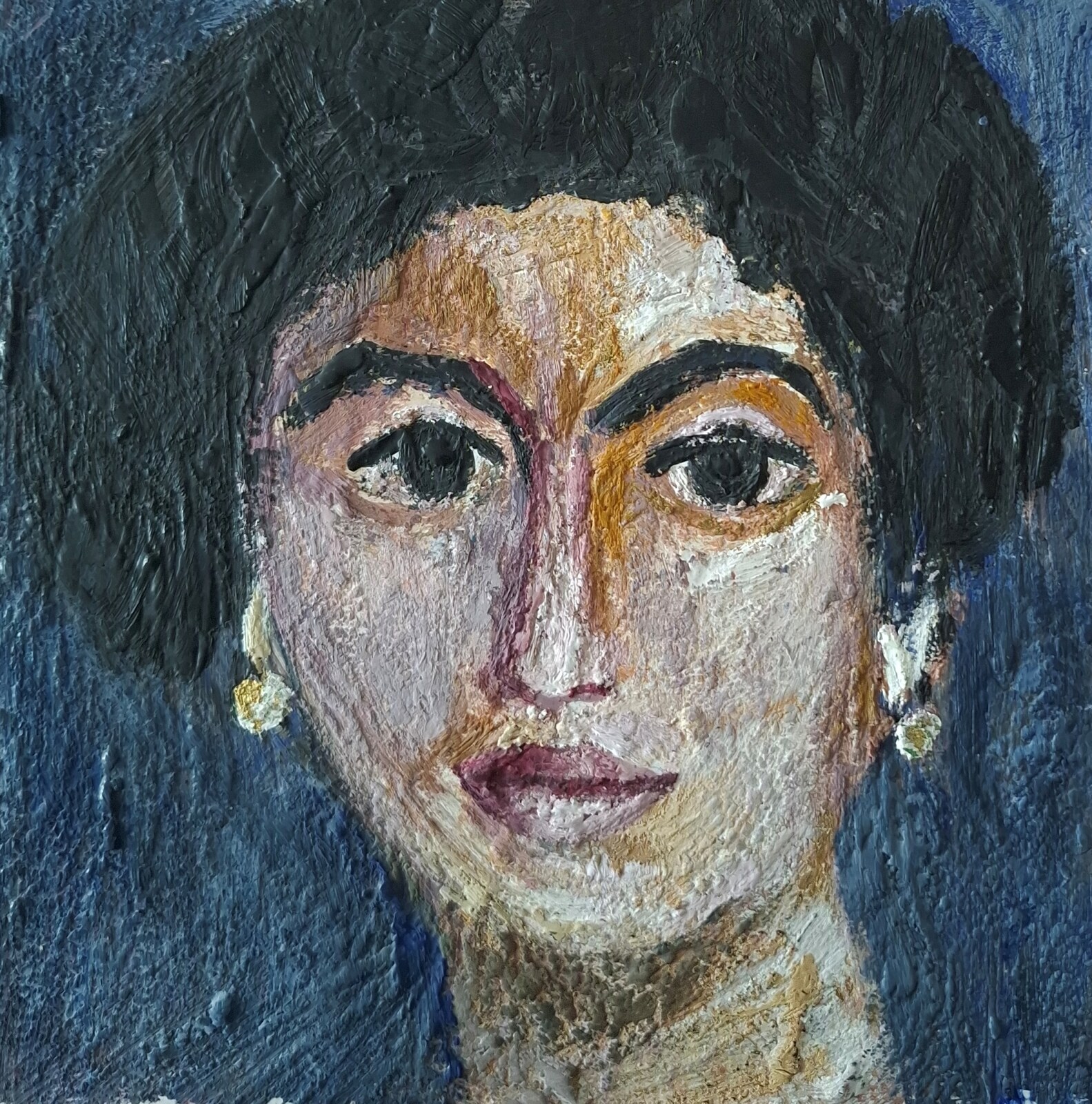
Encaustic is centuries old. Artists in ancient Egypt developed the technique for portraits meant to last for eternity. As part of the burial ritual, they painted the portrait of the deceased on the mummy bandage, on the sarcophagus and on the walls of the burial chamber. Such Fayoum portraits still hang in the Louvre in Paris today.
The word encaustic comes from the Greek enkaio, which means to burn in by heat.
Method
Natural white beeswax, mixed with various pigments and types of resin. The composition determines the result.
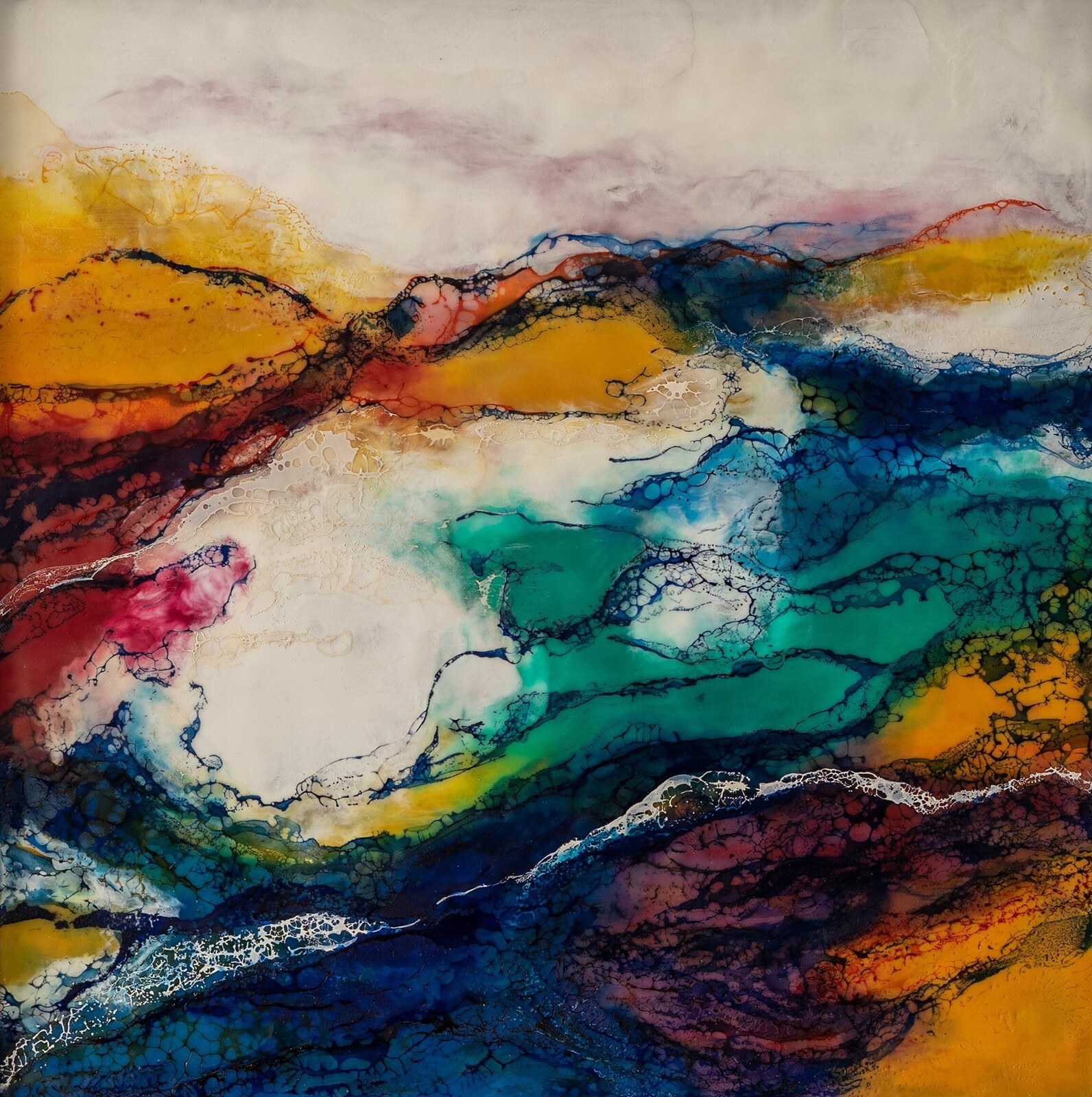
The painting is built up from layers of beeswax, of the same or a different composition. That layering plays the leading role.
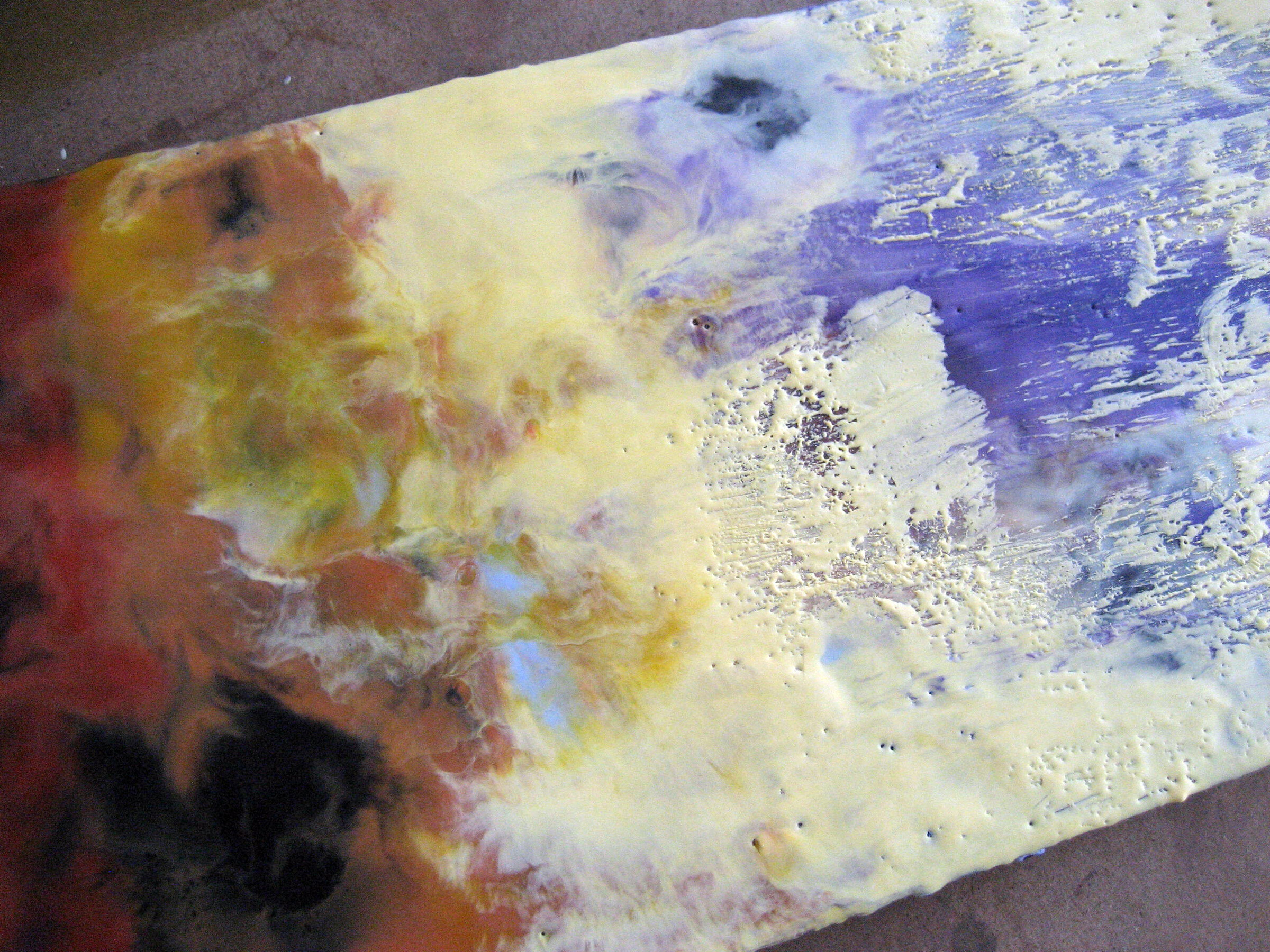
The paintings consist of several layers of beeswax, which are bonded together using a heat gun or gas torch.
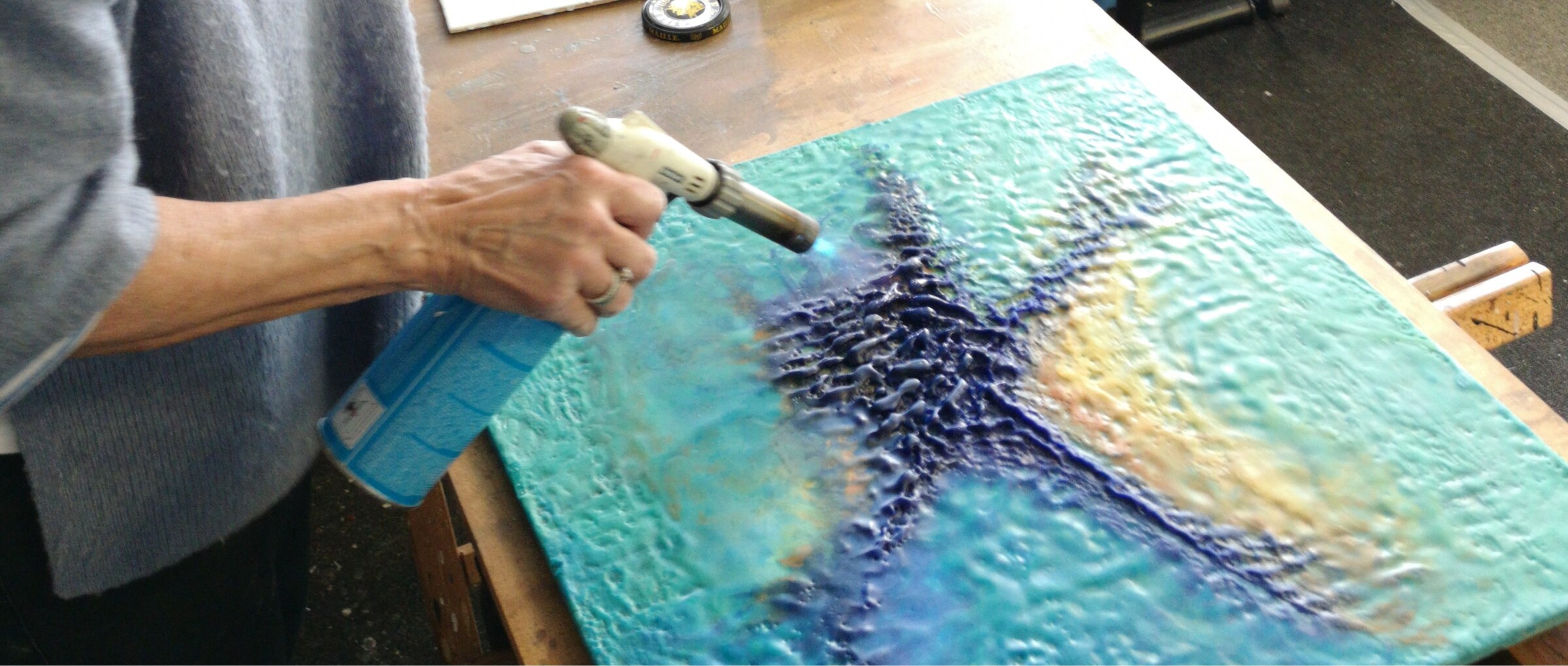
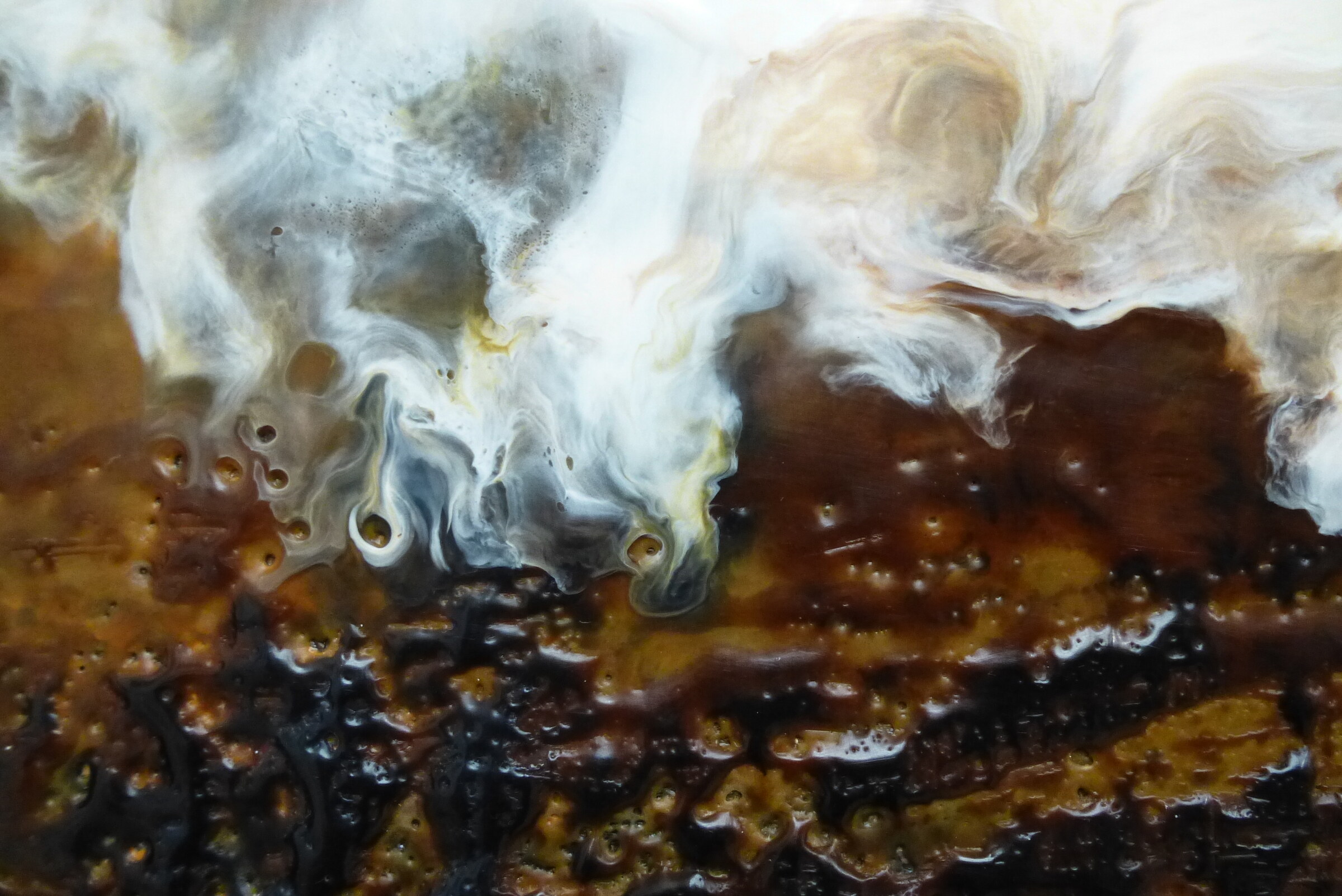
Fusing the layers creates transparent effects and relief. Every work is unique.
The starting point
To place an ancient painting technique in a new light. Discovering technical elements and applications is central.
Want to try it yourself?
Maï is happy to show you how it works, in her studio in Tilburg or on location.
